
Sexual harassment is a pervasive issue within Miami's culinary schools, affecting students' well-being and academic success. A study reveals high rates of harassment, underscoring the need for immediate action. Key steps include:
– Implementing strict anti-harassment policies and training.
– Fostering open dialogue about consent and creating safe reporting environments.
– Collaborating with local rape attorneys in Miami FL for legal protection and discipline.
– Conducting regular workshops on sexual harassment prevention.
Culinary institutions must prioritize a culture of respect, safety, and accountability to address this significant concern. Rape attorneys Miami FL play a vital role in supporting victims and ensuring justice.
Sexual harassment in Miami’s culinary schools is a pressing issue that demands urgent attention. As these institutions play a vital role in shaping the future of the hospitality industry, ensuring a safe and respectful environment for students is paramount. Unfortunately, reports of inappropriate behavior, ranging from verbal advances to non-consensual acts, have left many concerned about the current safeguards in place. This article aims to dissect this complex problem, shed light on its far-reaching impacts, and propose effective strategies for prevention and support. With insights from leading rape attorneys Miami FL, we explore the legal landscape and advocate for systemic changes needed to protect students’ well-being.
Understanding Sexual Harassment in Culinary Schools
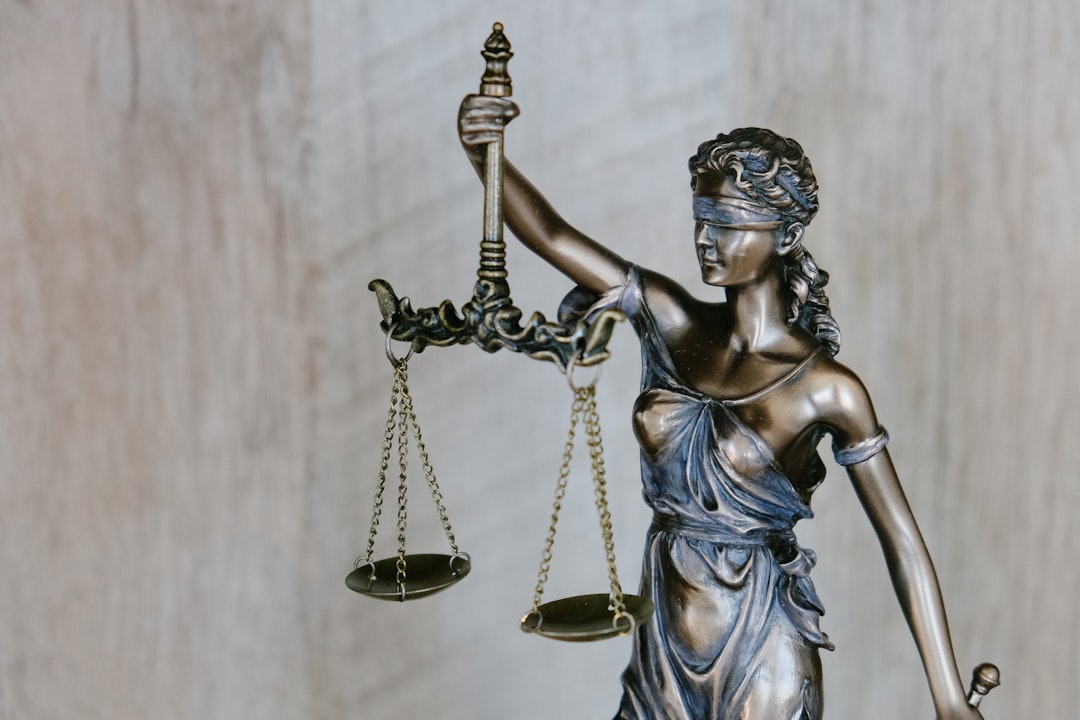
Sexual harassment is a pervasive issue within the culinary industry, including Miami’s esteemed culinary schools. Understanding this problem requires recognizing its various forms—from inappropriate comments and unwelcome advances to more severe instances of assault. According to a study by the U.S. Department of Education, about 1 in 5 women in higher education experienced sexual harassment in the previous year, highlighting the urgency of addressing this issue. In Miami, where the culinary scene is vibrant and diverse, students entering these kitchens may face unique challenges.
Culinary schools, with their close-knit communities and demanding environments, can create conditions that facilitate harassment. Students often work long hours alongside peers and mentors, potentially leading to power imbalances and opportunities for abuse. Moreover, the industry’s historical lack of gender diversity in leadership roles can contribute to a culture where sexual misconduct goes unchallenged. Rape attorneys in Miami FL emphasize that students must be educated on their rights and the availability of support systems to combat these issues effectively.
Practical steps include implementing robust anti-harassment policies and providing comprehensive training for both students and faculty. Schools should foster an environment where victims feel comfortable reporting incidents without fear of retaliation, ensuring transparency in the reporting process. Collaboration with local support organizations and legal experts can empower schools to establish robust protections. Additionally, encouraging open dialogue about consent, respect, and professional boundaries is essential, fostering a culture where harassment has no place.
Legal Definition & Miami FL Regulations Explored
Sexual harassment is a significant concern within the culinary industry, including Miami’s esteemed cooking schools. Understanding the legal definition and local regulations is crucial for both students and institutions to ensure a safe learning environment. Florida law defines sexual harassment as any unwelcome conduct of a sexual nature that creates an intimidating, hostile, or offensive work or educational environment. This includes various acts, from explicit comments and advances to non-consensual physical contact or requests for sexual favors. In the context of culinary schools, this could manifest in instances where students or staff are subjected to lewd remarks about their bodies, personal questions regarding their intimate life, or even non-consensual touching during training sessions.
Miami’s regulations mirror federal guidelines set by the U.S. Equal Employment Opportunity Commission (EEOC). These laws mandate that educational institutions take prompt and effective action against sexual harassment. Victims have the right to report incidents to school authorities, who are obligated to conduct thorough investigations and implement necessary measures to prevent future occurrences. The role of rape attorneys Miami FL is pivotal in these cases, offering legal guidance and representation to ensure victims’ rights are protected. Schools must establish clear policies, provide training for staff and students, and designate specific individuals responsible for handling harassment complaints.
Practical steps include posting notices about anti-harassment policies, conducting regular training sessions, and promoting an open culture where students feel comfortable discussing such issues without fear of retaliation. By adhering to these legal definitions and local regulations, Miami’s culinary schools can create a safer, more inclusive environment, fostering professional growth in a supportive setting.
Prevalent Forms of Harassment in the Kitchen Environment

The kitchen environment, characterized by its high-pressure nature and close quarters, can unfortunately foster a culture of sexual harassment among culinary students and staff. Understanding the prevalent forms of harassment in this unique setting is essential to creating a safer learning and working atmosphere. Common types include verbal and physical advances, inappropriate comments on appearance or body, and non-consensual touching—behaviors that can range from uncomfortable to illegal. For instance, a student may face repeated lewd remarks from a fellow chef or even experience sexual assault in the confined spaces of a professional kitchen.
A 2021 survey by the National Restaurant Association revealed that over 50% of culinary students reported experiencing some form of sexual harassment during their training. These incidents often go unreported due to fear of retaliation or disbelief, exacerbating the problem. Verbal abuse, for instance, can create a hostile work environment, while physical assaults, including groping and unwanted sexual advances, are serious crimes that demand immediate attention from authorities, with rape attorneys Miami FL being crucial resources for victims seeking justice.
To address these issues, culinary schools must implement robust anti-harassment policies and training programs. This includes fostering an open dialogue about consent, promoting reporting mechanisms free from reprisal, and conducting regular workshops on sexual harassment prevention. By prioritizing a safe and inclusive kitchen culture, educational institutions can not only protect their students and staff but also contribute to the development of respectful and professional chefs.
Reporting & Documentation: Protecting Yourself with Rape Attorneys
In the culinary arts, as in many professions, sexual harassment remains a pervasive issue. Miami’s vibrant food scene, while celebrated for its diversity and dynamism, is not immune to these problems. When chefs, servers, or any staff member faces unwanted advances or abusive behavior from colleagues or supervisors, it’s crucial to understand how to protect oneself legally. Reporting and documenting such incidents are critical steps in combating this misconduct.
Victims should be aware that they have rights and that seeking legal counsel from rape attorneys Miami FL can offer invaluable guidance. These attorneys specialize in handling sensitive cases involving sexual assault and harassment, providing a safe space for victims to share their experiences. They help navigate the often-complex legal system, ensuring that perpetrators are held accountable while protecting the privacy of the victim. For instance, a server at one of Miami’s popular restaurants may face repeated unwanted advances from a high-profile chef. Documenting these incidents with detailed notes and evidence can be crucial in any subsequent legal action.
Rape attorneys can assist in compiling a robust case file by helping victims gather relevant documents such as emails, text messages, or witness statements. They also guide clients through the process of filing official complaints with appropriate authorities or institutions. This proactive approach not only ensures that perpetrators are investigated but also serves as a deterrent for potential future harassers. It empowers individuals to take back control and seek justice in their own unique circumstances.
Consequences & Prevention Strategies for Educational Institutions
Sexual harassment is a pervasive issue within the culinary industry, with educational institutions playing a pivotal role in its prevention and mitigation. Miami’s culinary schools, known for their vibrant and competitive environments, must implement robust strategies to safeguard students from this abusive behavior. The consequences of inadequate policies can be severe, leading to not only psychological trauma but also legal liabilities. Students subjected to sexual harassment may experience anxiety, depression, and a diminished ability to focus on their studies, impacting their academic performance and future career prospects.
One of the primary challenges faced by these institutions is the underreporting of incidents due to fear of retaliation or stigma. This calls for proactive measures such as confidential reporting systems and robust anti-harassment policies. Educational facilities should foster an atmosphere where students feel empowered to speak out, ensuring that complaints are thoroughly investigated and appropriate actions taken against perpetrators. Collaboration with local rape attorneys Miami FL can provide essential legal guidance and support for both victims and institutions, helping to establish fair and effective disciplinary processes.
Furthermore, incorporating comprehensive sexual harassment training into the curriculum can raise awareness and promote a culture of respect. Students should be equipped with the knowledge to recognize and report inappropriate behavior, while staff members must be trained to handle such cases sensitively and efficiently. Regular workshops, guest lectures from experts, and interactive sessions can help keep discussions on these critical topics alive, ensuring that students remain vigilant and proactive in creating a safe learning environment.