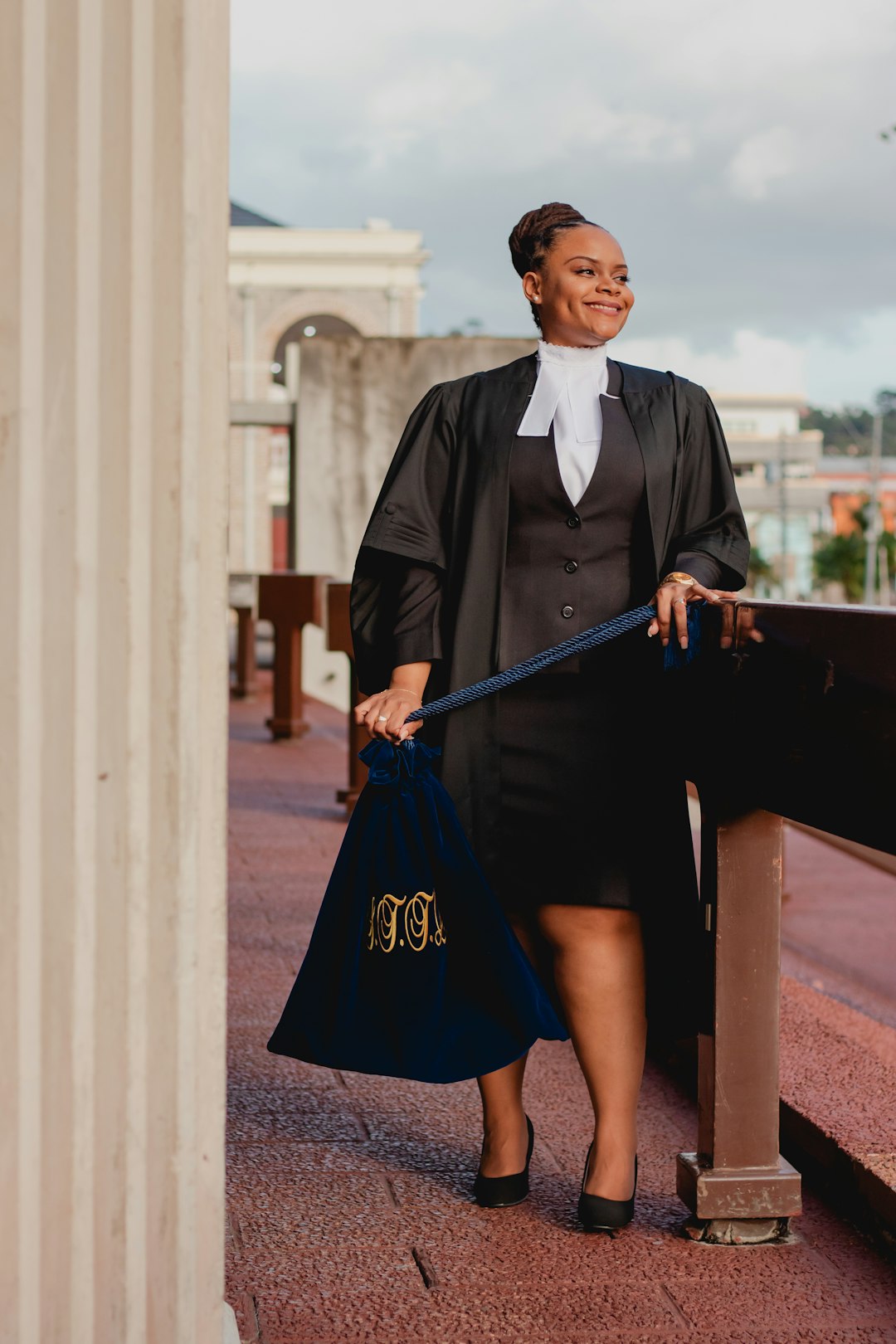
Sexual violence prevention in Miami's private schools requires a multi-faceted approach including education, staff training, community involvement with local support organizations, legal counsel from rape attorneys Miami FL, and an integrated network for comprehensive victim support. Key strategies involve policies, workshops, counseling, open dialogue, and peer-led support groups to create safer environments.
Sexual violence prevention in Miami’s private schools is a pressing issue demanding immediate attention. As communities across the nation recognize the profound impact of such crimes, Florida, with its vibrant yet diverse landscape, faces unique challenges. Miami, a bustling metropolis known for its cultural tapestry, harbors a complex social fabric where sexual assault remains a pervasive concern. This article delves into the heart of the problem, exploring the prevalence and consequences of sexual violence within private educational institutions. We provide insightful strategies and emphasize the crucial role that rape attorneys in Miami, FL, play in navigating this labyrinthine issue, ultimately aiming to foster a safer environment for students.
Understanding Sexual Violence Prevention in Schools

Sexual violence prevention in Miami’s private schools is a multifaceted issue demanding a comprehensive approach. Understanding this problem requires recognizing its diverse forms, from physical assault to online harassment, all of which can have profound and lasting impacts on students’ mental health and overall well-being. A key component in addressing these issues lies in education— equipping both students and staff with the knowledge and skills to recognize and deter potential incidents. This includes regular workshops, seminars, and awareness campaigns that promote healthy relationships, consent, and respectful communication.
Rape attorneys Miami FL emphasize the critical role of policy and procedure in prevention. Schools must enact robust policies that clearly outline expectations, consequences, and reporting mechanisms for sexual misconduct. These policies should be developed with input from legal experts, mental health professionals, and community advocates to ensure their effectiveness and adherence to legal standards. Regular reviews and updates are essential to keep up with evolving societal norms and legislative changes. For instance, schools can incorporate digital citizenship education to teach students about online safety and the potential consequences of sharing sensitive information, thereby mitigating risks associated with cyberbullying and non-consensual content sharing.
Beyond policy, fostering a culture of openness and support is vital. This involves training faculty and staff to recognize signs of distress or unusual behavior in students, encouraging students to speak out without fear of retaliation, and providing access to counseling services. Schools can also benefit from partnerships with local support organizations and rape attorneys Miami FL who can offer specialized training and resources. By implementing these strategies holistically, private schools in Miami can create safer, more supportive environments for all students.
Legal Framework: Rape Attorneys Miami FL & Their Role

The legal framework surrounding sexual violence prevention in Miami’s private schools is a critical component of ensuring safety and holding perpetrators accountable. Florida state laws play a pivotal role in defining the boundaries and consequences of consensual versus non-consensual intimate acts, with specific provisions targeting educational institutions. Rape attorneys in Miami FL are integral to this system, offering specialized legal counsel and advocacy for victims and seeking justice against offenders. These attorneys leverage their expertise to navigate complex legal landscapes, ensuring that students’ rights are protected and perpetrators face the full extent of the law.
In Florida, sexual assault within educational settings is addressed through stringent regulations. For instance, schools are mandated to have policies in place that prevent, detect, and respond to instances of sexual misconduct, including rape. Rape attorneys Miami FL often collaborate with school administrations to develop and enforce these policies, guaranteeing they align with legal standards. They also provide training for faculty and staff on recognizing signs of sexual abuse, promoting a culture of awareness and early intervention. Moreover, these legal professionals assist victims in understanding their options, from reporting incidents to pursuing legal charges, ensuring they receive the support necessary to navigate the often-traumatizing process.
A significant aspect of rape attorneys’ Miami FL role is representing victims during criminal proceedings. They offer crucial guidance on evidence collection, witness preparation, and legal strategies tailored to sexual assault cases. By leveraging their insights into Florida’s criminal justice system, these attorneys help secure just outcomes for survivors while also deterring potential perpetrators. Furthermore, they contribute to public education initiatives, raising awareness about consent, the impact of sexual violence, and available support systems, ultimately fostering a safer environment within Miami’s private schools.
Implementing Effective School Policies and Education

The prevention of sexual violence within private schools in Miami, Florida, demands a multi-faceted approach, with a strong emphasis on comprehensive policy implementation and educational programs. Effective school policies are instrumental in establishing a safe learning environment, empowering students, and deterring potential perpetrators. According to recent studies, over 1 in 5 girls and 1 in 20 boys experience sexual assault while in secondary school (National Center for Victims of Crime, 2020). These alarming statistics underscore the urgency for Miami’s private schools to adopt robust prevention strategies.
Rape attorneys in Miami FL, who often work with educational institutions, emphasize the need for policies that address not just the legal and procedural aspects but also foster a culture of respect and consent. A well-designed policy should include clear definitions of sexual misconduct, reporting procedures, and consequences for violations. For instance, schools could implement mandatory training programs on consent and healthy relationships for all students, faculty, and staff. These initiatives aim to normalize conversations about sexual boundaries, promoting an atmosphere where victims feel comfortable coming forward. Furthermore, regular workshops on identifying red flags and responding to potential incidents can empower both students and educators.
Beyond policy, educational institutions should encourage open dialogue and provide multiple channels for anonymous reporting. Anonymous hotlines or digital platforms allow students to report incidents without fear of repercussions, ensuring a robust reporting system. Schools can also organize peer-led support groups, where survivors can find comfort and community. Such efforts contribute to a holistic approach to prevention, addressing not only the legal and administrative aspects but also the social and emotional well-being of the student body.
Community Support and Resources for Victims/Survivors

The prevention of sexual violence in Miami’s private schools necessitates a multifaceted approach, one that includes robust community support and resources for victims and survivors. Educational institutions play a pivotal role in fostering a culture of awareness and safety. This involves implementing comprehensive policies and programs that educate students about consent, healthy relationships, and the available support systems. School administrators should also ensure that staff members are adequately trained to recognize and respond to potential instances of sexual misconduct promptly.
Community involvement is integral to this process, as it creates a network of support outside the school walls. Local organizations, such as victim advocacy groups and mental health services, can collaborate with schools to provide specialized resources for those affected by sexual violence. For instance, in Miami-Dade County, non-profit organizations offer counseling services, legal aid, and support groups tailored to survivors. These initiatives not only empower individuals to seek help but also contribute to a collective effort to combat sexual violence.
Additionally, establishing partnerships with local law enforcement agencies ensures that victims receive the necessary protection and legal assistance. Rape attorneys in Miami, Florida, play a critical role by offering expertise in handling sensitive cases, providing legal counsel, and advocating for survivors’ rights. They collaborate with schools, law enforcement, and support organizations to ensure that every victim has access to justice and healing resources. Creating an integrated network of these entities fosters a supportive environment, enhancing the overall effectiveness of sexual violence prevention strategies within Miami’s private school community.